

Marketing teams are asked to do more every year. More channels, more content, and more pressure to prove results.
The Salesforce Winter '27 release brings real help. It adds AI agents, smarter personalization, and simpler messaging tools to Marketing Cloud. Here is what changed and what it means for your team.
Why Winter '27 Matters for Marketing Cloud
Salesforce is putting Marketing Cloud Next at the center of its marketing plans. Most Winter '27 updates land there, while Marketing Cloud Engagement gets smaller changes that help customers prepare for a move.
In simple terms, the release does three things. It lets AI run more of the work, keeps every message on brand, and makes sending faster. You can browse the full list in the official Winter '27 Marketing release notes.
Agentforce Brings Autonomous AI to Marketing
Marketing Goals Agent: Campaigns That Improve Themselves
The Agentforce Marketing Goals Agent turns a business goal into a working plan. You share your goal, your budget, and the audience it may target.
The agent suggests a strategy for you to review and approve. Once you turn it on, it works inside your limits and keeps optimizing toward your goal.
Think of it as a strategist that never stops testing. Your team sets the rules, and the agent handles the daily adjustments.
Content Agent: Campaign Ready Copy in Minutes
Writing content is often the slowest step. The Agentforce Content Agent creates email and SMS content from a plain language description of your campaign.
It draws on your brand guidelines, campaign briefs, and media assets. You can edit inline and publish straight to Salesforce CMS. A human should still review the result, but the first draft is done for you.

Buyer Engagement Agent: From Lead to Pipeline
The Buyer Engagement Agent works your marketing leads for you. It engages interested people and helps turn them into qualified sales pipeline.
That means fewer leads sitting idle. It also means a smoother handoff to your sales team.
Brand Center and Unified Personalization
One Home for Your Brand Rules
Brand Center is a central place for your brand rules. Your team and your AI agents follow the same guidelines.
This matters more as AI creates more content. Consistency is far easier when the rules live in one spot.
Build Personalization Once, Reuse It Everywhere
Teams often rebuild the same personalization rules for every message. Winter '27 lets you build personalization components once and reuse them across channels.
Handlebars and AMPscript also get wider support in SMS, WhatsApp, RCS, in app, and push messages. Landing pages support them too. For developers, that means less rework and fewer errors, and you can see the details in the Marketing Cloud Next release notes.
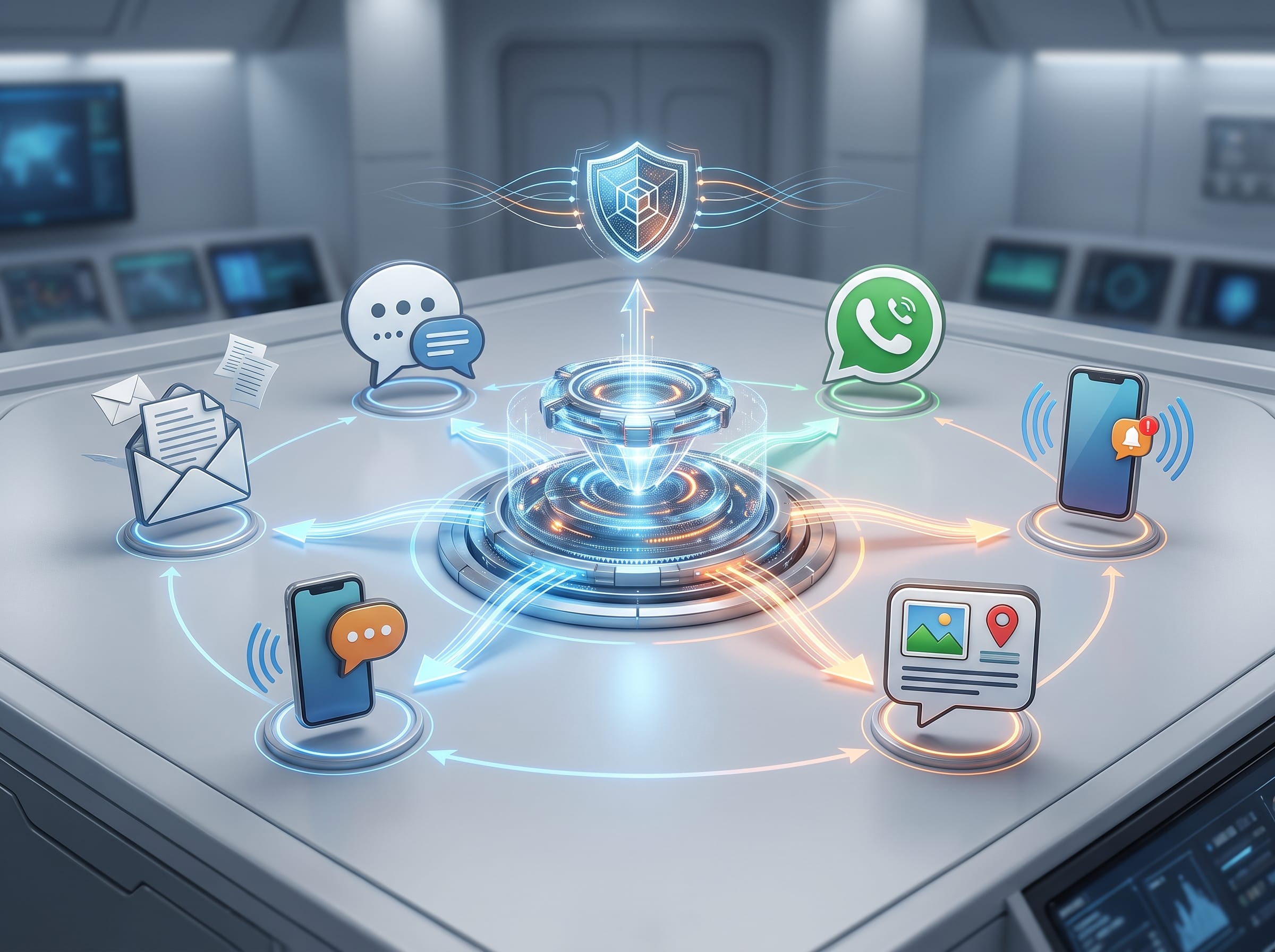
Faster Sends and Smarter Messaging
Streamlined List Sends
You can now send promotional or relational emails directly to Contact and Lead lists. There are no extra processing delays.
Audience selection and setup also sit on one single page. That saves clicks and cuts mistakes.
Bigger Updates for WhatsApp and RCS
Messaging apps matter more every year. Winter '27 adds three helpful upgrades:
- Reach WhatsApp recipients with usernames through Business Scoped User IDs.
- Set automatic default replies for inbound SMS and WhatsApp messages that do not match a contact.
- Use advanced RCS messaging features for richer conversations.
Usernames give you one more way to reach people on WhatsApp. Default replies mean no message goes unanswered.
Other Winter '27 Updates Worth Your Attention
The headline agents get the spotlight, but a few smaller updates deserve a look:
- Marketing Completion Actions bring a favorite Account Engagement tool to Marketing Cloud Next. You can notify users, send autoresponders, or assign leads without building a separate flow each time.
- Email Deliverability Health gives your email program a score from 0 to 100. It also sends alerts when the score hits a critical level.
- Marketing Cloud Engagement gets a guided setup to connect with Data 360 through Salesforce Go. This is a first step toward Marketing Cloud Next.
Details for existing customers are in the Marketing Cloud Engagement release notes and the Account Engagement release notes.

What This Means for Your Role
For CEOs and Business Owners
Agents can take on routine campaign work, so your team can focus on strategy. This can help you grow without growing headcount at the same pace.
For Marketing Directors
You set the goals and guardrails, and the agents do the daily work. Brand Center keeps every message consistent. The deliverability score helps you spot problems early.
For Salesforce Developers
Reusable personalization, wider Handlebars and AMPscript support, and Completion Actions in Flow mean less custom code. Plan the Data 360 connection early so your team is not rushed later.
How to Get Ready for Winter '27
Follow these five steps before you switch anything on:
- Check your platform. Confirm whether you run Marketing Cloud Engagement, Marketing Cloud Next, or both.
- Clean your data. Agents work best with clear audience and brand information.
- Start small. Test one agent on one campaign before you scale.
- Set guardrails. Define budgets, audiences, and brand rules first.
- Plan your move. Migrate at a pace that fits your team.
Not sure where to begin? The Valuehub Salesforce team helps businesses plan and deliver projects like this, and you can see real Salesforce projects we have delivered.

Final Thoughts
Winter '27 moves Marketing Cloud toward smart agents, strong brand control, and simpler messaging. Teams that prepare now will get value sooner.
For a wider view of everything in the release, read Salesforce Ben's Winter '27 overview.
Want help planning your rollout? Our team works with Marketing Cloud every day.
Contact Valuehub